

Get it over with.
Let him know he’s getting nothing.
But something stops me.
Maybe I like knowing.
Having this secret that changes everything.
Maybe I’m not ready to give him that closure.
Or maybe I just don’t care enough anymore to have the conversation.
The house is quiet now.
Actually quiet.
Not the terrible silence of Harold’s final months.
Not the empty echo of caring for someone who’s already gone.
Just peaceful quiet, where I drink my tea and read my books and exist without performing for anyone.
I sleep through the night most nights.
Still wake sometimes expecting to hear Harold calling.
But those moments are getting rarer.
The grief is changing shape, becoming something I can carry instead of something that crushes me.
Roger calls one Tuesday afternoon in late June.
“Just checking in, Margaret. Making sure you’re still comfortable with everything.”
“I am.”
“Derek hasn’t contacted you?”
“Not in weeks.”
“He will eventually. When he finds out. You know that.”
“I know.”
I’m in the garden pulling weeds.
The phone is on speaker.
“Let him.”
“You’re braver than most people I know.”
“I’m not brave, Roger. I’m just done being used.”
I’ve learned something these past six months.
Something important that I wish I’d understood fifty years ago when I was twenty-two and in love and convinced that sacrifice always equals love.
Sometimes letting go is the most loving thing you can do.
Not for them.
For yourself.
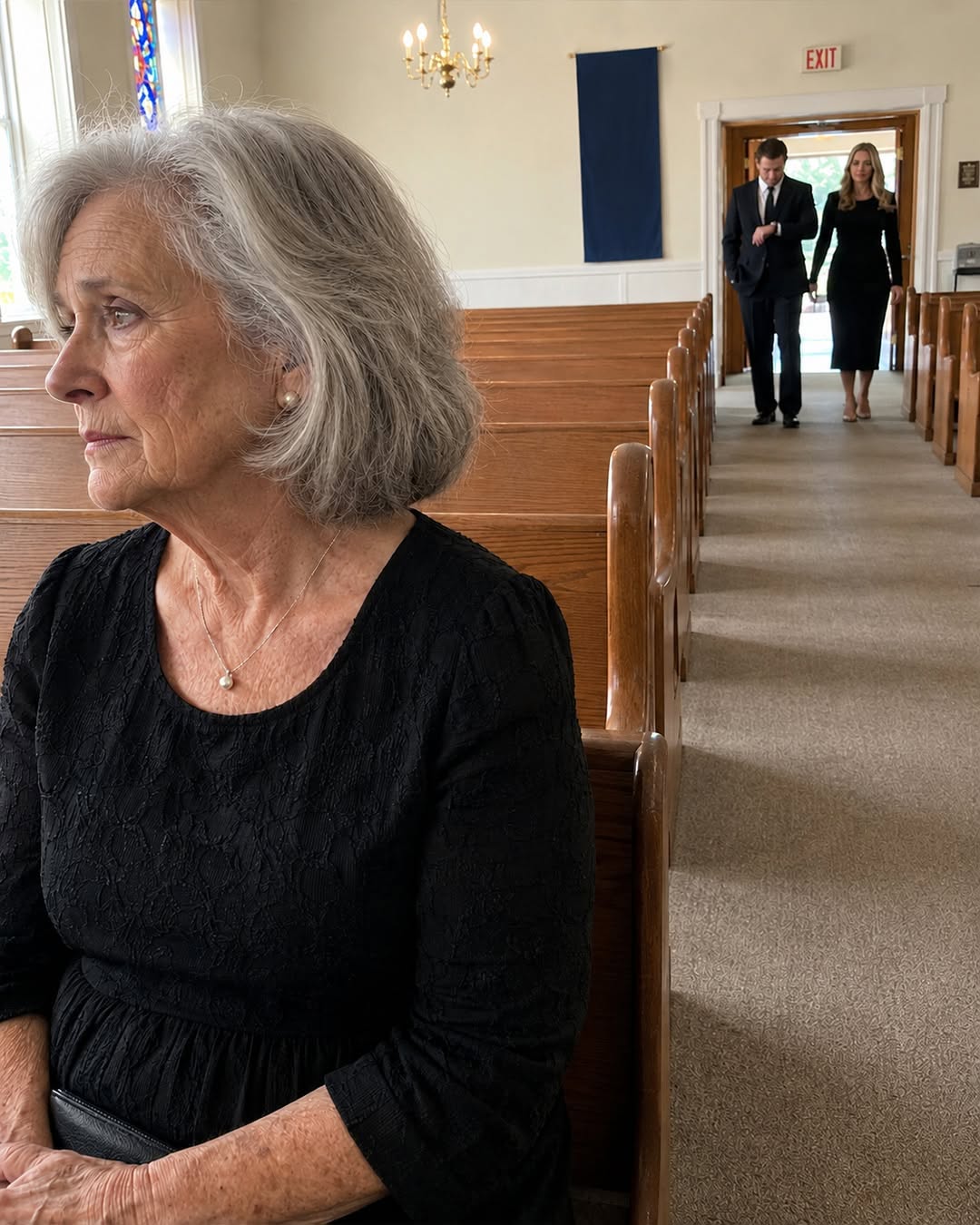
Derek made his choice when he walked out of that funeral.
Checked his watch twice and prioritized champagne over his father’s memory.
Chose comfort over presence.
Money over meaning.
I made my choice the next morning.
Over tea that wasn’t even my preference, made from habit instead of actual desire.
And now I’m making choices every day that actually matter.
That reflect who I am instead of who everyone needed me to be.
The money will go to charity.
$3.2 million will help Alzheimer’s research and fund libraries and send kids to college who have parents working three jobs just to keep them fed.
Kids like Derek could have been if we’d taught him differently.
If we’d loved him less and challenged him more.
That’s the real tragedy.
Not that Derek won’t inherit, but that we raised him to believe inheritance was guaranteed.
That love means getting everything you want without earning anything you receive.
We failed him by succeeding too much at sacrifice.
But I’m not failing myself anymore.
I’m seventy-three years old.
I’ve spent fifty-one years putting everyone else first.
And you know what I’ve discovered?
It’s never too late to choose yourself.
To brew the tea you actually prefer.
To plant the garden you always wanted.
To redirect your legacy toward people who will value it.
Derek will find out eventually.
Maybe when I’m gone.
Maybe sooner, if he bothers to ask the right questions.
And he’ll be angry.
Will feel betrayed.
Will tell people his mother wasn’t in her right mind.
Will fight it, probably.
But he’ll lose.
Because every financial record tells the same story.
Parents who sacrificed everything.
A son who valued nothing.
Money built from their denial, given to causes that actually matter.
And honestly, I sleep better knowing that.
Sleep through the whole night now.
No guilt.
No regret.
Just peace.
I finish my tea.
Chamomile.
My actual preference.
And look around at the garden I planted and the house I fixed and the life I’m building from the ashes of who I used to be.
And Harold would understand.
He knew.
That’s why he told me not to tell Derek about the money until he proved he could stand alone.
Until he learned what sacrifice actually means.
Derek never learned.
Never stood alone.
Never understood.
And now it’s too late.
Not for him.
For me.
Too late to keep pretending that blood relation matters more than basic human decency.
Too late to keep sacrificing myself on the altar of motherhood.
Too late to be anyone except exactly who I am.
A seventy-three-year-old woman who buried her husband alone and decided that was the last time she’d do anything alone that should have been shared.
Who discovered chamomile tastes better than Earl Grey.
Who learned that sometimes justice looks like peace.
And sometimes the most powerful thing you can do is simply remove yourself from someone else’s expectations.
I water the tomatoes.
They’re coming in good this year.
Harold would have liked them.
And I’m okay with that being enough.
To see the full cooking instructions, go to the next page or click the Open button (>) and don't forget to SHARE it with your friends on Facebook.