
For example, certain foods and habits, such as smoking, can affect body odor. Furthermore, the presence of specific illnesses or medical conditions can significantly impact a person’s aroma, regardless of age.
The perception of “old-age smell” is subjective and can vary depending on culture and individual experiences.
Some people associate this smell with old age, while others may not perceive it at all. Moreover, what might be considered “old-age smell” for one person could be interpreted differently by another.
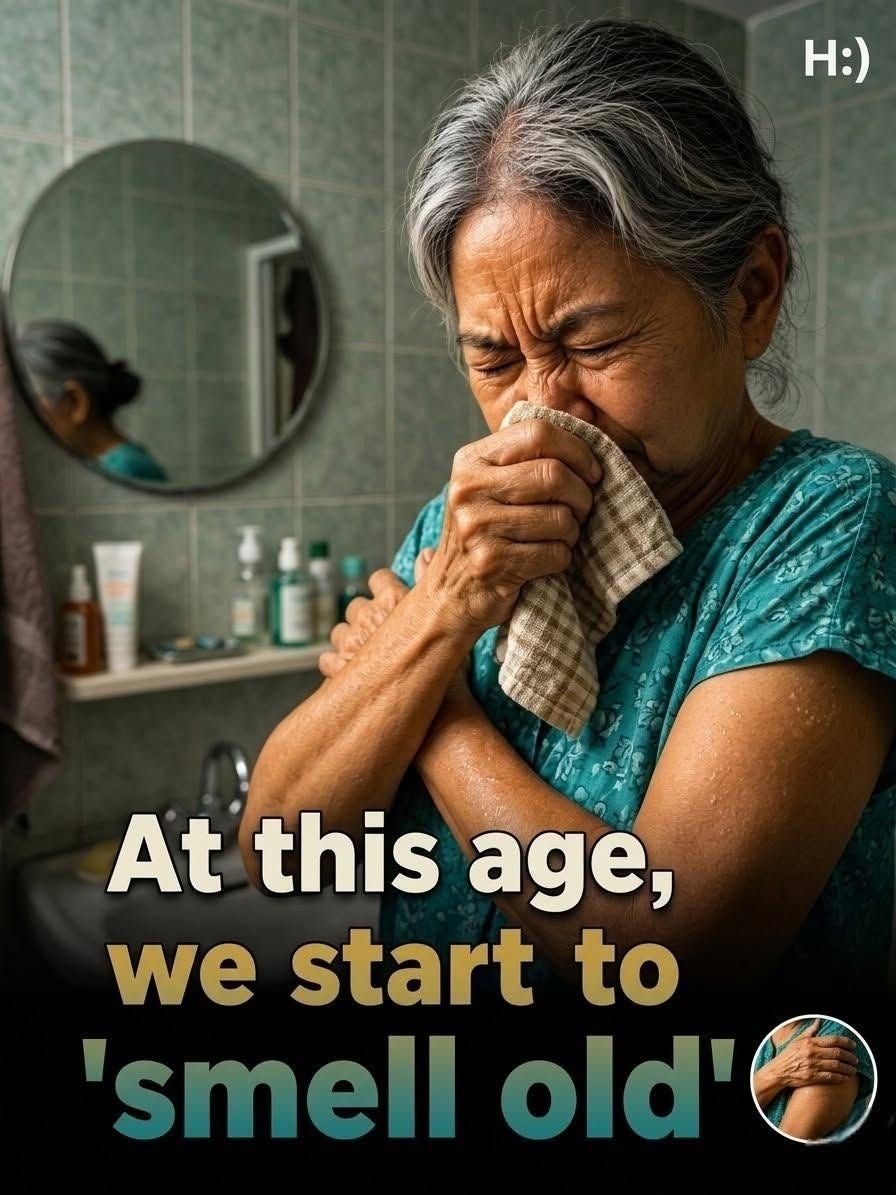
There is no specific age at which a person begins to “old-age smell,” although it is often said to start around age 60.
The diversity in biology and life experiences means that this phenomenon can manifest differently in each individual. Some older people may not experience significant changes in their body odor, while others may notice subtle or more pronounced differences.
It is crucial to approach the topic of “old-age smell” with sensitivity and understanding.
Continued on next page:
To see the full cooking instructions, go to the next page or click the Open button (>) and don't forget to SHARE it with your friends on Facebook.